Docker · OCI · amd64 · arm64

KINGAI OS Container

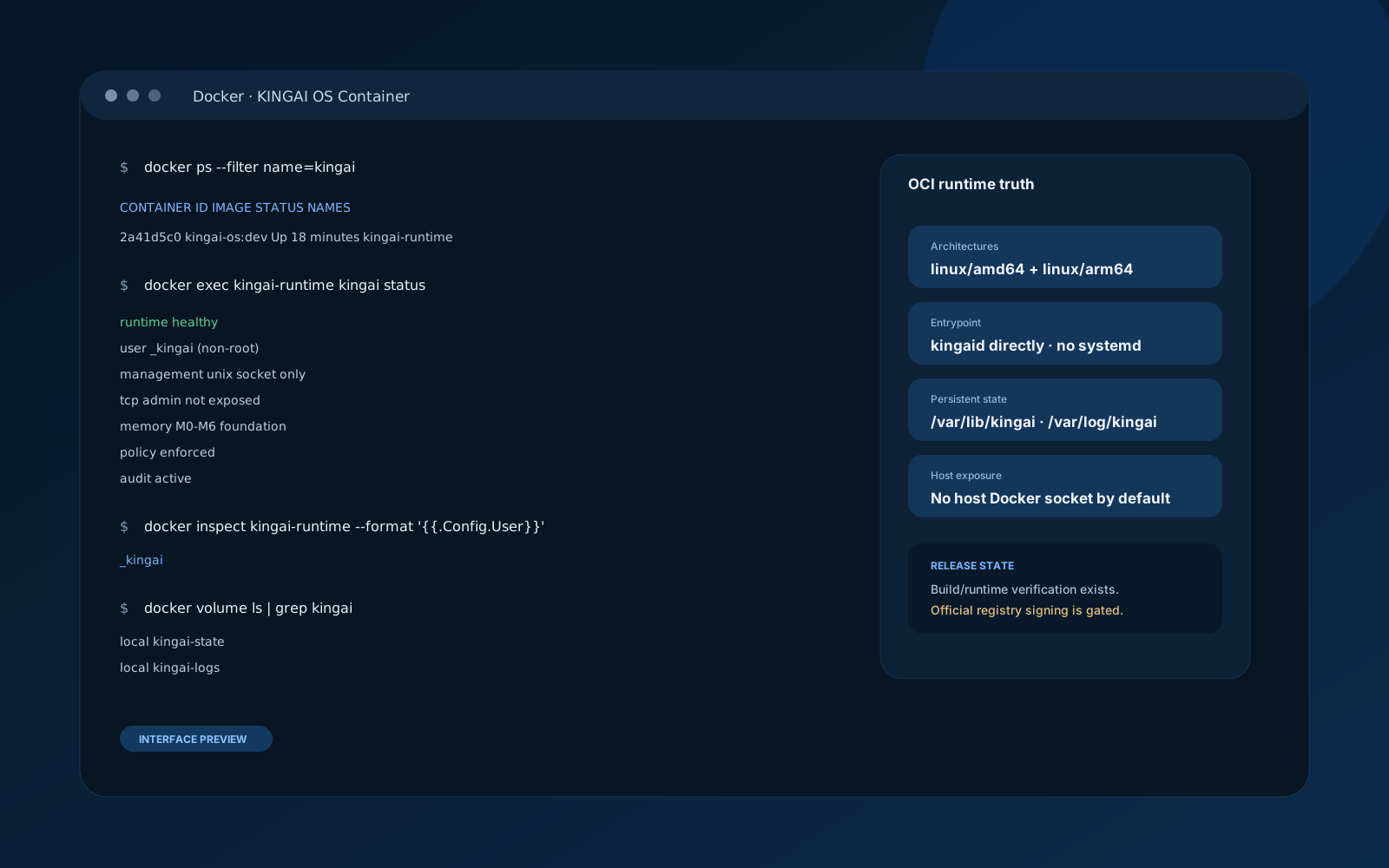
The portable form of the KINGAI governed runtime for cloud, CI, homelab and service composition. It keeps Policy, Approval, Task, Memory, Model and Audit foundations while intentionally avoiding host-level privileged execution by default.

Non-root by default

The runtime daemon runs as _kingai. No management TCP port is exposed by default; local management uses a Unix socket.

Persistent governed state

Approval, Task, Memory and Audit state can live in explicit persistent volumes instead of disappearing with the container lifecycle.

Portable architecture

The dedicated Buildx path targets Linux amd64 and arm64 while keeping the core runtime contract identical across architectures.

Same core, different boundary

Container is a runtime form—not a shortcut around OS security.

The container edition is designed to host governed AI workloads. It does not mount the Docker socket or host root filesystem by default and does not pretend that a container can replace boot, recovery, Secure Boot or hardware Device Pack responsibilities of Server/Desktop/Edge editions.

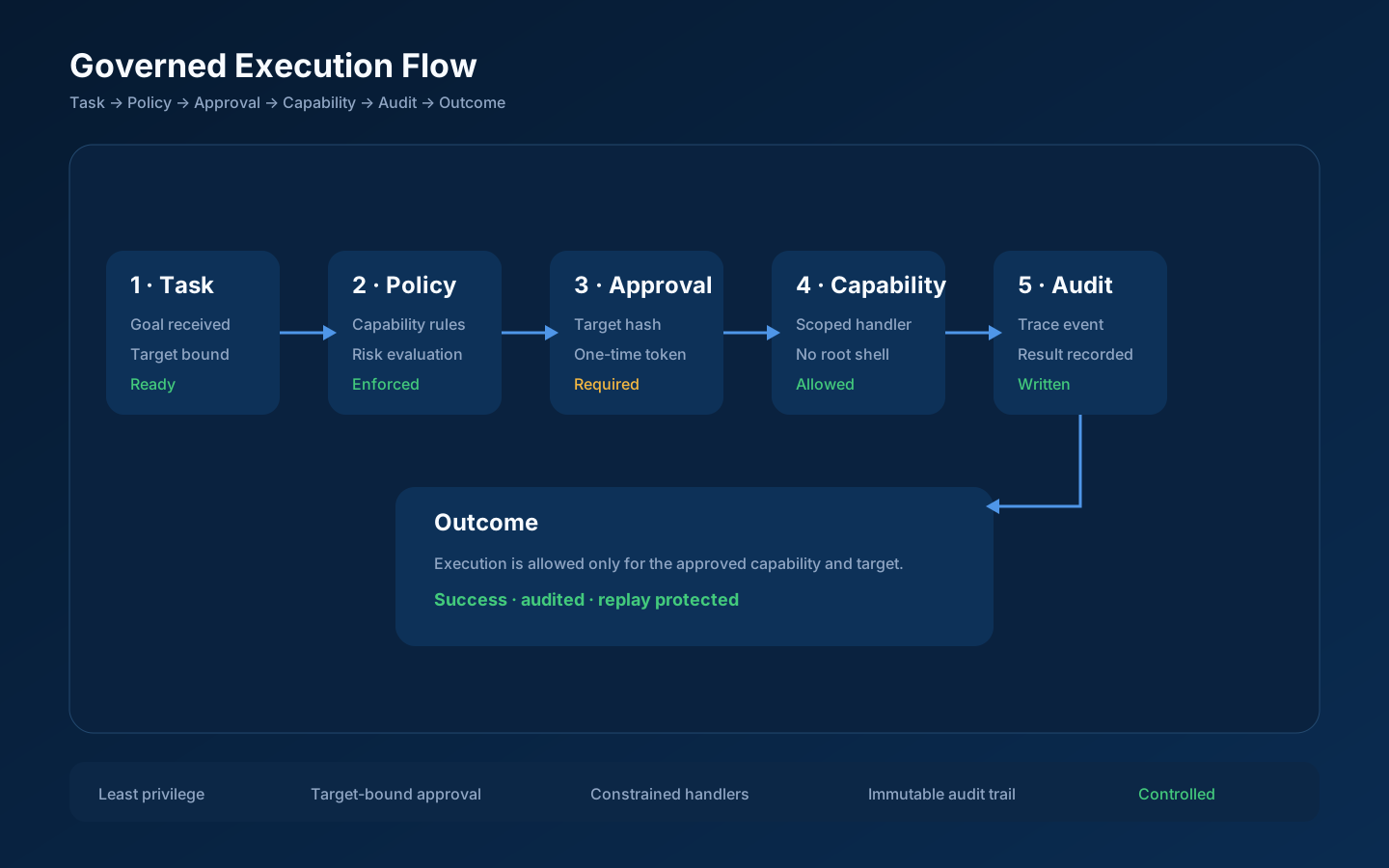
PolicyCapability rules remain explicit
ApprovalTarget-bound, one-time authorization
TaskDependency-aware task lifecycle
MemoryPersistent local-first state
ModelsProvider-neutral routing
AdaptersReplaceable runtime integrations
AuditTraceable decisions and outcomes
HealthContainer readiness and runtime status
Use it for

Cloud & CI

Run the local KINGAI Runtime in reproducible development, integration and automation environments.

Homelab & private services

Compose a governed AI runtime next to local model servers and private infrastructure without requiring a full OS installation.

Portable Agent services

Package agent-facing runtime services consistently while keeping authority controlled by explicit capability boundaries.

Security boundary

What Container deliberately does not do.

No unrestricted host shell

Container workloads should not receive host root authority merely because an agent asks for it.

No default Docker socket

Mounting the host Docker socket would bypass core governance assumptions and is therefore not a default pattern.

No Stable claim yet

Developer build paths exist, but official production publishing, signing and release-governance gates remain separate work.

One runtime contract across four platforms.

Use Container where portability matters; choose Server, Desktop or Edge when you need a complete operating-system form.

Compare editions →