L
Local first
Compatible intelligence and memory are designed to stay on your machine when local execution is the right path.
Personal intelligence should stay personal. KINGAI OS is being built around local-first processing, explicit permissions, user-controlled memory and a separation between what AI wants to do and what the system is allowed to do.
Compatible intelligence and memory are designed to stay on your machine when local execution is the right path.
Agents request explicit capabilities. Sensitive actions can be blocked, scoped or require approval.
Memory is designed to be inspectable, deletable and governed by retention and sensitivity metadata.
A model can propose a powerful action without receiving unrestricted system control.
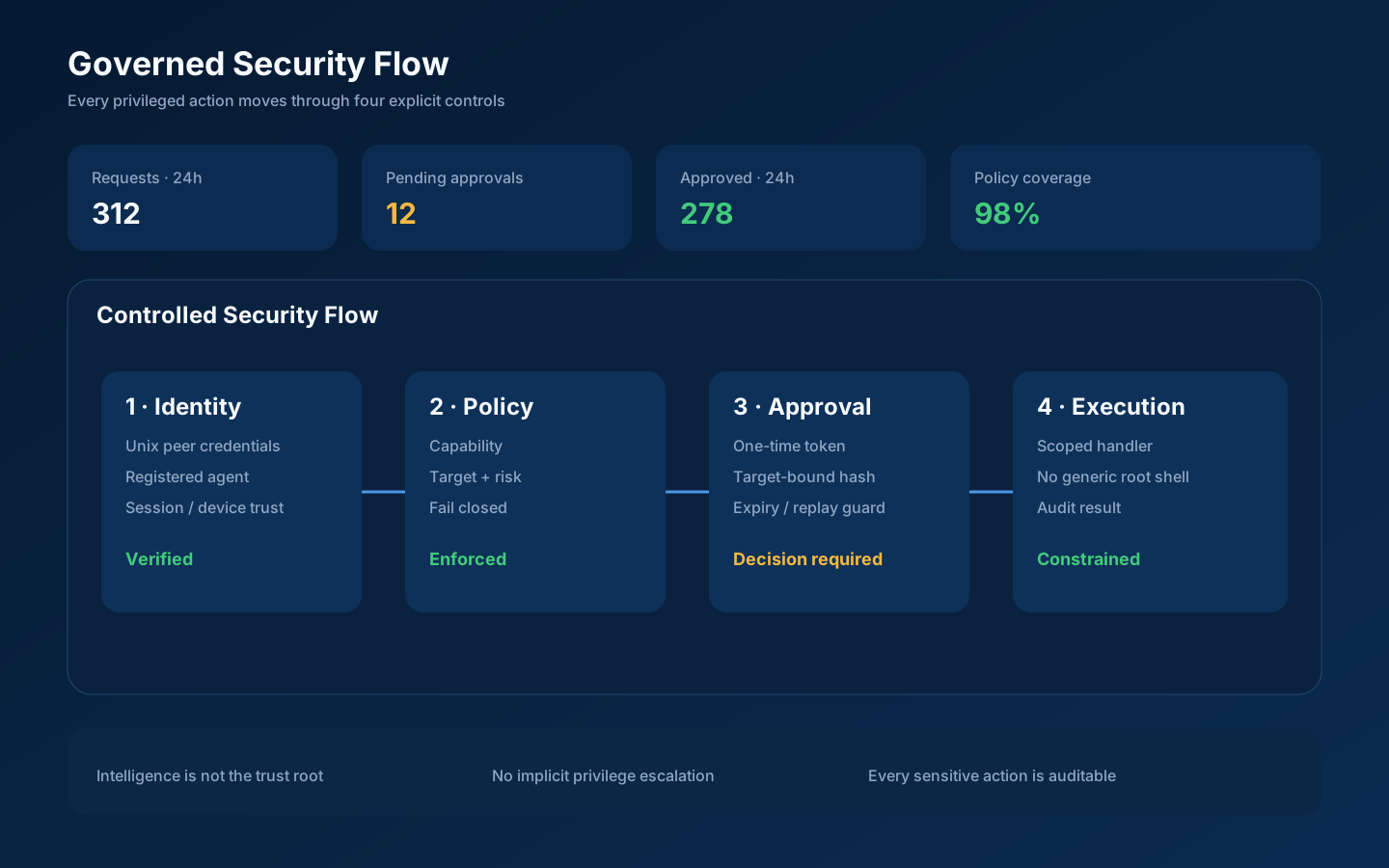
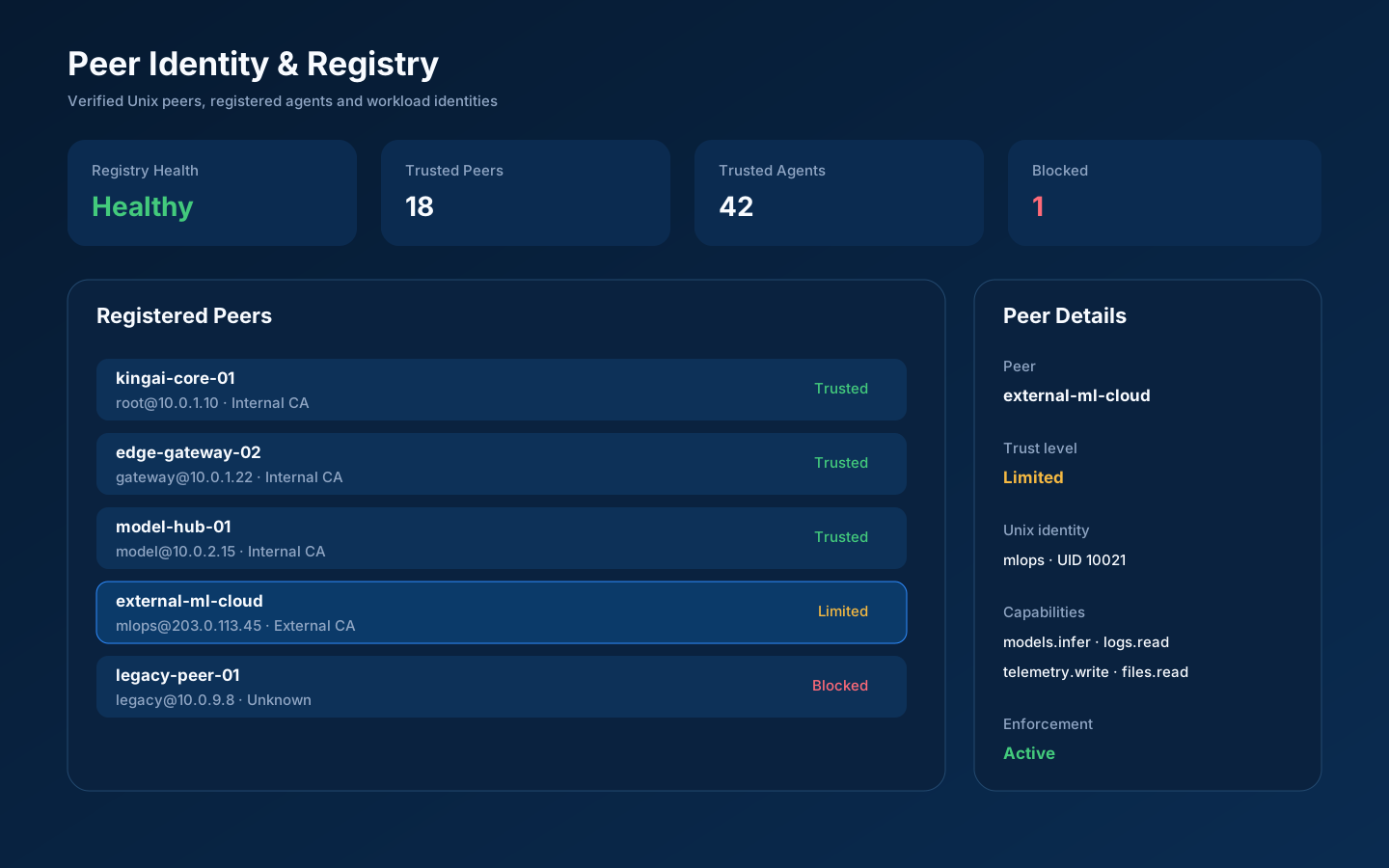
Local peer credentials and registered agent identities establish who is asking.
Capability, target and risk are evaluated independently from model output.
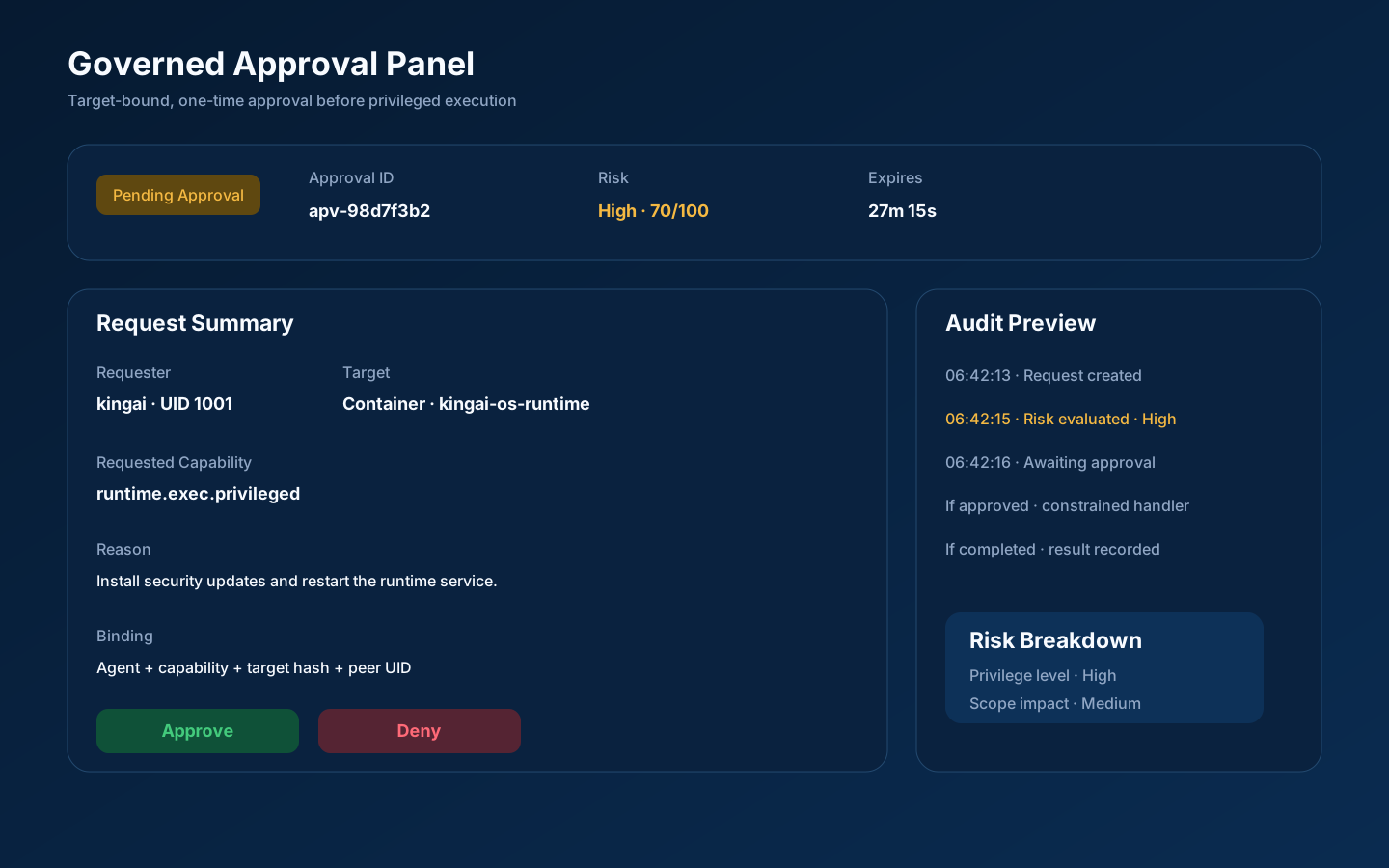
Sensitive actions can require time-limited, target-bound user authorization.
Narrow handlers perform allowed actions instead of exposing a universal privileged shell.
Approvals, identity, policy and audit are becoming product surfaces—not hidden implementation details.
Review capability, target, risk, expiration and the reason an agent wants to act before granting sensitive authority.
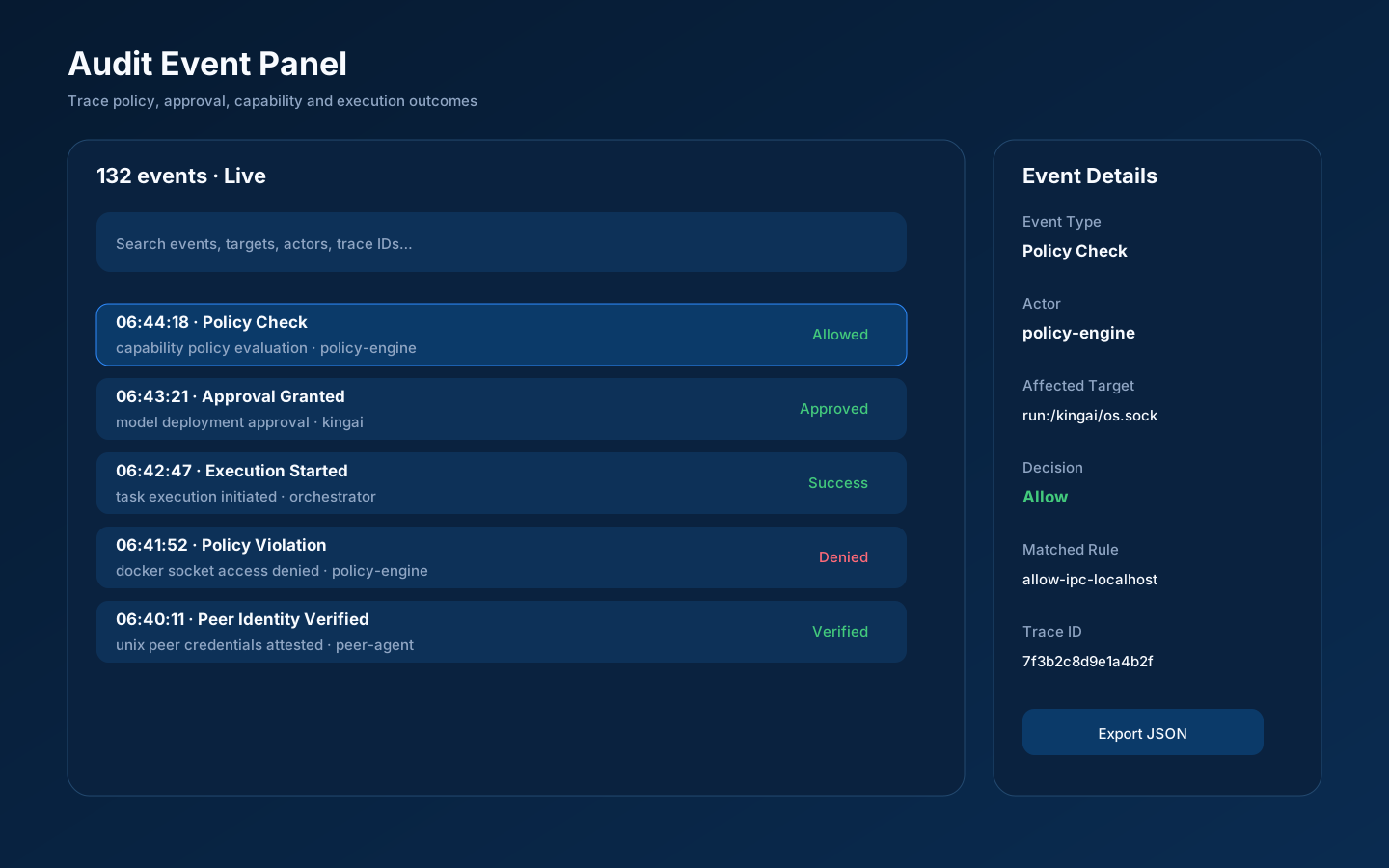
Follow policy checks, approvals, executions, denials and results as a readable system history.
Understand which peers and agents are trusted, limited or blocked—and what each identity can request.
KINGAI OS is designed so autonomy can grow while user control remains explicit.